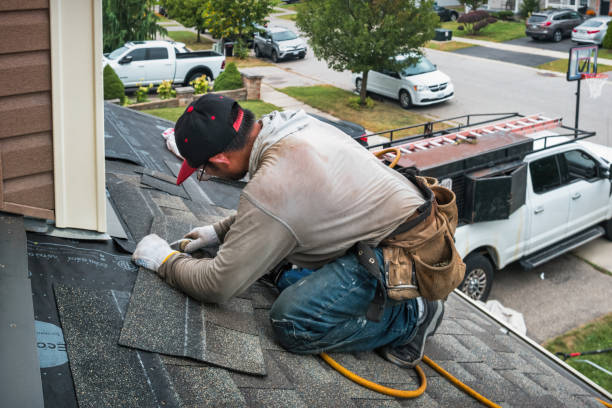
A torn-up roofline after a storm isn't a "get to it next week" problem, and we don't treat it like one — Roof Repair Smedway answers, scopes the damage, and dispatches a crew across Index fast.

Roof Repair Smedway grew out of Index, WA job sites, not a corporate rollout plan — that's still how we staff every Hail Damage Roof Repair crew we send to Index.
We don't treat licensing as a formality — it's proof that the person on your roof knows what they're doing and that you're covered if anything goes sideways.
We've replaced enough botched patch jobs from other companies to know exactly what corner-cutting looks like a year later — drywall stains, soft decking, mold nobody can see yet.

Every lead installer carries current Index, WA credentials.
Someone answers, every time, day or night.
No invoice surprises once work is underway.
Faster arrivals because we're already close by.
Catching a roof problem at the "annoying" stage is almost always cheaper than catching it at the "emergency" stage.
None of the six signs below require an emergency call on their own, but each one is worth a scheduled inspection before it turns into something bigger.
If the water coming off your downspouts looks gritty, the shingle surface is thinner than it should be.
A cupped shingle traps moisture instead of shedding it, which speeds up decking rot underneath.
A gap that lets light through will let rain through eventually.
Sagging or soft drywall usually points to sustained moisture, not a single isolated drip.
A slow leak or failing ventilation can quietly drive up cooling costs before you notice the leak itself.
A bare patch after high wind is a direct gap in your roof's weather barrier that needs covering right away.
We split our work into specific service lanes because a wind-lifted shingle and a full system replacement need completely different crews and timelines.
Below is the full breakdown of what we cover in Index, so you can see roughly where your situation fits before you even call.
When wind or hail rips open a section of roofing, we tarp it fast to stop water intrusion, then schedule the permanent fix right behind it.
Our residential scope covers shingle repair, full reroofs, ventilation upgrades, and skylight flashing fixes.
Flat roofs get scheduled inspections in addition to repair calls, catching ponding-water problems early.
A full tear-off strips the roof to the decking, replaces any damaged boards, and rebuilds with new underlayment and shingles to current code.
Post-storm inspections give homeowners documented evidence, useful whether or not a claim gets filed.
Chimney crickets, skylight seals, and valley flashing are common leak points that general repair crews often miss.

Four steps, no surprises in between — here's exactly what happens after you pick up the phone.
After-hours calls still reach a live line for anything time-sensitive.
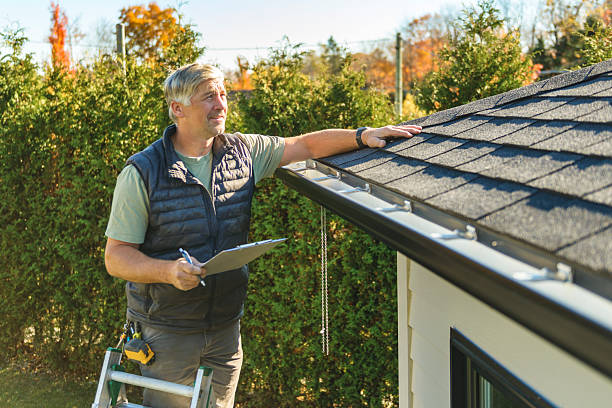
The inspection covers decking, flashing, and ventilation, not just the obvious visible damage.
Every figure is documented in writing — nothing verbal, nothing vague.
A final walkthrough confirms everything matches the agreed scope.
We could list a dozen more reasons to work with us, but these six are the ones Index homeowners mention most often when they leave a review.
Being local means we're rarely the crew still driving in from somewhere else.
Every estimate is itemized so you know exactly what you're paying for.
Crews carry moisture meters and proper fall protection on every job site.
We'd rather send a crew back for a small fix than leave a homeowner unsure.
We're not your insurance company, but we make that part of the process easier.
If a repair solves the problem, that's what we recommend — we don't push a replacement to inflate the invoice.

Every job closes with a written workmanship guarantee, separate from whatever the material manufacturer already covers — if something's wrong, we come back and fix it.
If something unexpected turns up mid-job, like hidden decking damage, we flag it and get your approval before it changes your bill.
We'd rather explain a guarantee in plain language upfront than have a homeowner discover the fine print later.
If your address sits just past our standard Index radius, dispatch can usually still work something out.
When a storm moves through Index, WA and call volume spikes, active leaks get prioritized first while we communicate realistic wait times for everything else.
Homeowners just outside Index proper sometimes assume they're too far for a standard visit, but our dispatch radius usually reaches further than people expect.

"Wind tore off a section of our roof during a night storm. They had it tarped before we even finished the phone call and fixed properly two days later."
— Index Homeowner
"Ponding water on our shop's flat roof for years, finally fixed properly instead of getting patched again."
— Index Homeowner
"Routine inspection caught a soft spot near the chimney before it became a real problem."
— Index Homeowner
"New ridge vent noticeably dropped our attic temperature. Wasn't expecting that big a difference."
— Index Homeowner
"Storm chasers kept knocking on doors after the last big wind event. We called Roof Repair Smedway instead since they're actually local."
— Index Homeowner
"Commercial building had a slow roof leak affecting a whole storage room. Their team traced it to a single failed pitch pan and fixed it in one visit."
— Index Homeowner
Get a straight answer before any work starts.
Get Your Free Estimate